
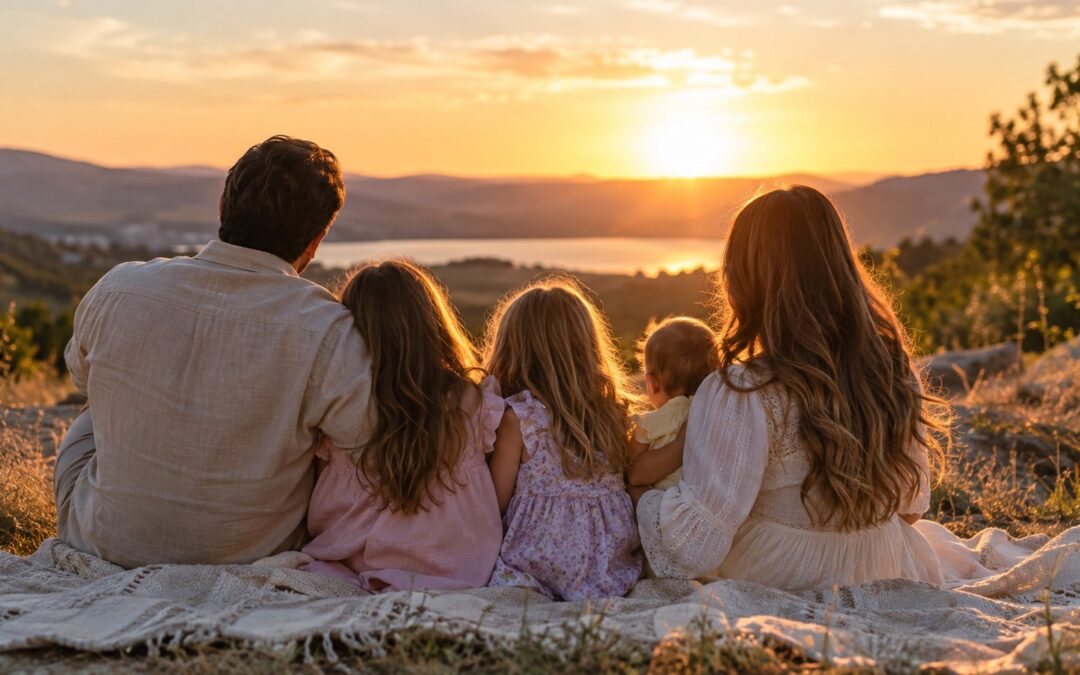
Quick answer: the best light for family photos is usually the first hour after sunrise or the last hour before sunset, often called golden hour, when the sun is low and soft. In summer that means very early or late evening, in fall and spring it is more convenient, and in winter it falls in the afternoon. At midday, move into open shade, or shoot on an overcast day, when clouds soften the light evenly.
Anyone who has tried to photograph a family at noon in July knows how it feels. Everyone squints, shadows pool under eyes, and a toddler is melting down because it is hot. The same family, photographed an hour before sunset, looks relaxed, and the light makes skin glow. Timing changes the result more than almost any piece of gear.
Light is the most important ingredient in portrait photography, and the sun moves in a predictable way through the day and the year. Understanding how the angle and quality of sunlight change with the seasons lets you choose a time that gives you flattering light and a workable schedule for children. This guide explains the basics and then walks through each season.
If you are newer to working with daylight, start with our guide to natural light portrait basics. This article builds on those ideas and applies them to family sessions.
How Light Changes Through the Day
Sunlight is not one thing. Its color, direction and softness all shift as the sun rises and sets.
When the sun is high, near midday, light falls straight down. That creates harsh shadows under the eyes, nose and chin, and it makes people squint. Highlights on skin can look shiny, and bright backgrounds can lose detail. This kind of light is the hardest to flatter.
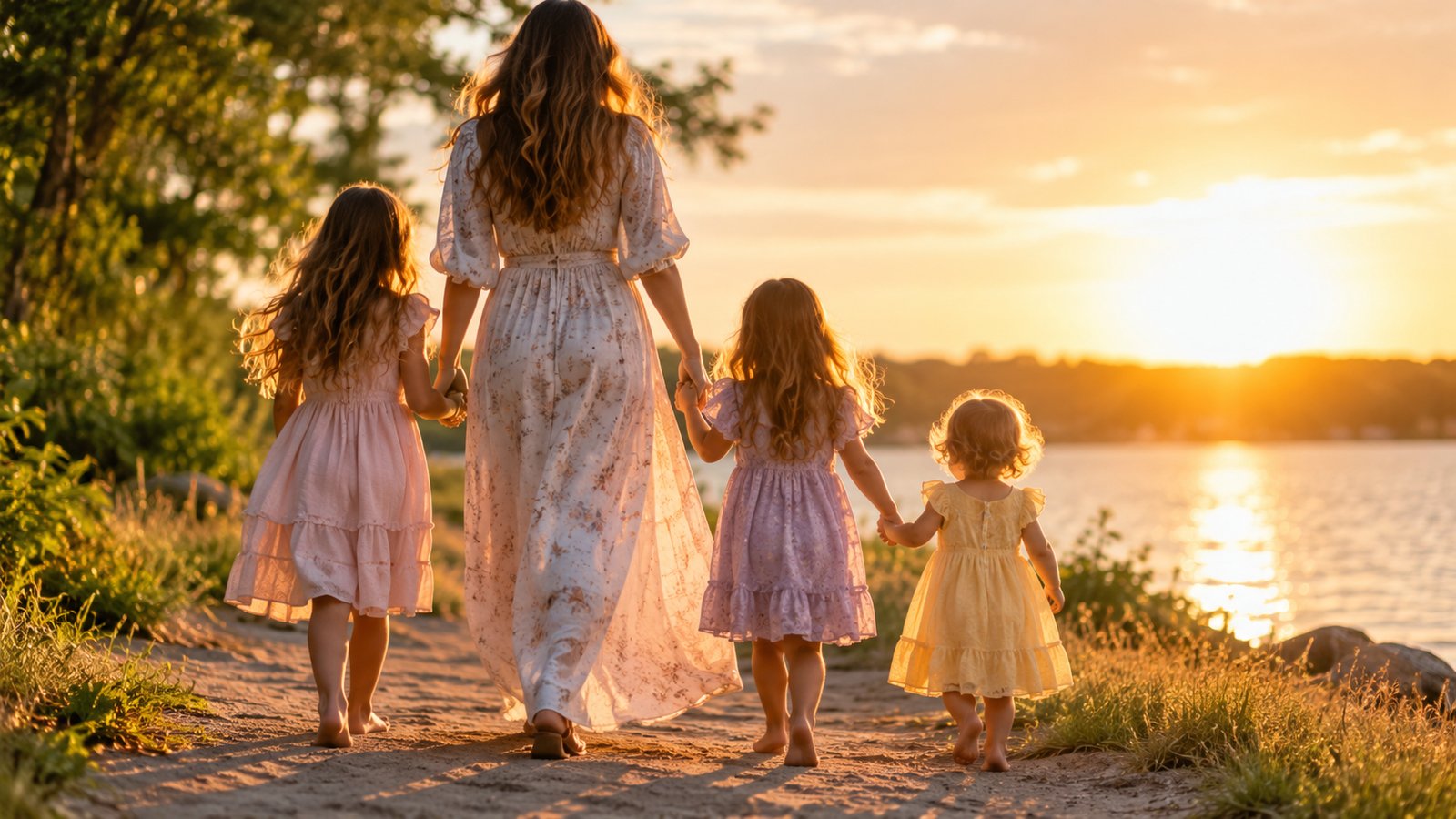
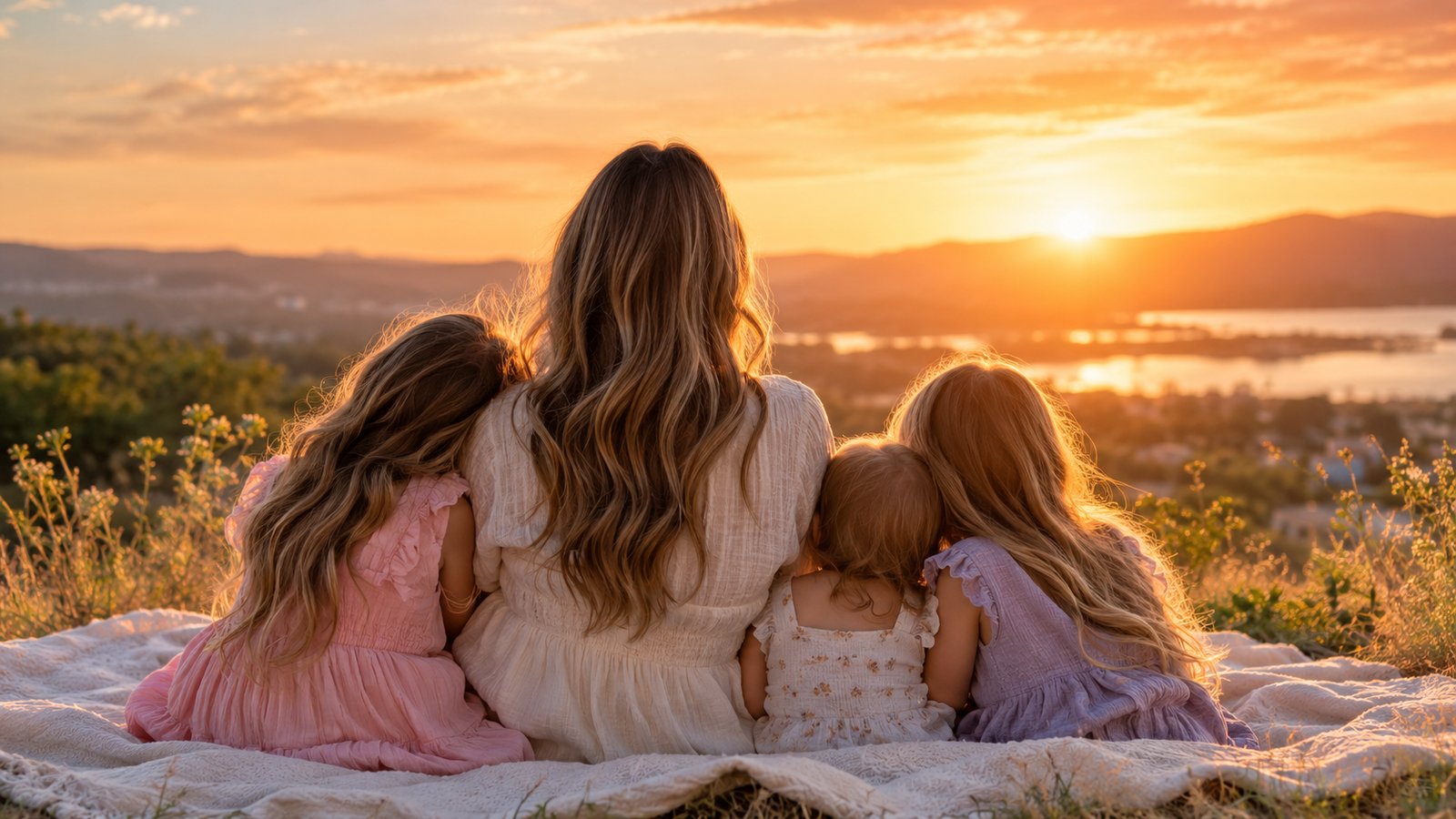
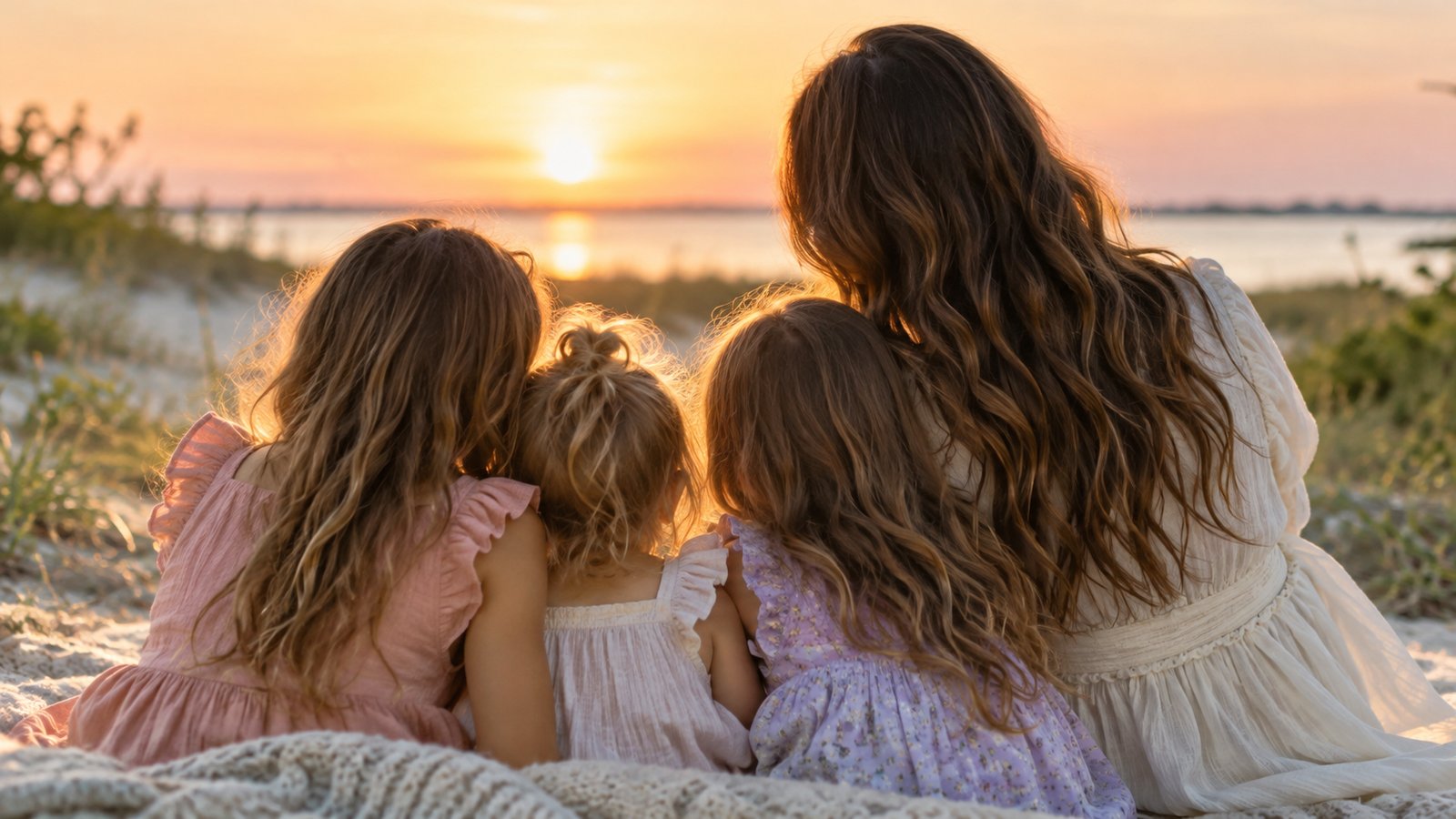
When the sun is low, within roughly an hour of sunrise or sunset, light travels through more atmosphere. The light turns warmer in color and softer in contrast, and it comes from the side, which gives faces shape. Photographers call this window golden hour. The exact length depends on your latitude and the time of year, but one hour is a useful rule of thumb.
After the sun sets, a short period of soft, cool light remains in the sky. Some photographers call it blue hour. Shooting then needs a higher ISO setting, a steadier camera and often a flash or reflector, so it is better for experienced photographers than for beginners with energetic toddlers.
Clouds change everything. A thin layer of overcast works like a giant softbox, spreading light evenly, and it removes harsh shadows. Overcast days can be excellent for family portraits at almost any hour, though colors may look flatter and the sky may be white in pictures.
Open shade is the other tool. Standing on the shaded side of a building or under a large tree canopy gives soft, even light even when the sun is bright. Place the family near the edge of the shade, facing the open sky, and avoid dappled patches of light through leaves, which look messy on skin.
Spring: Flexible Light and Changing Weather
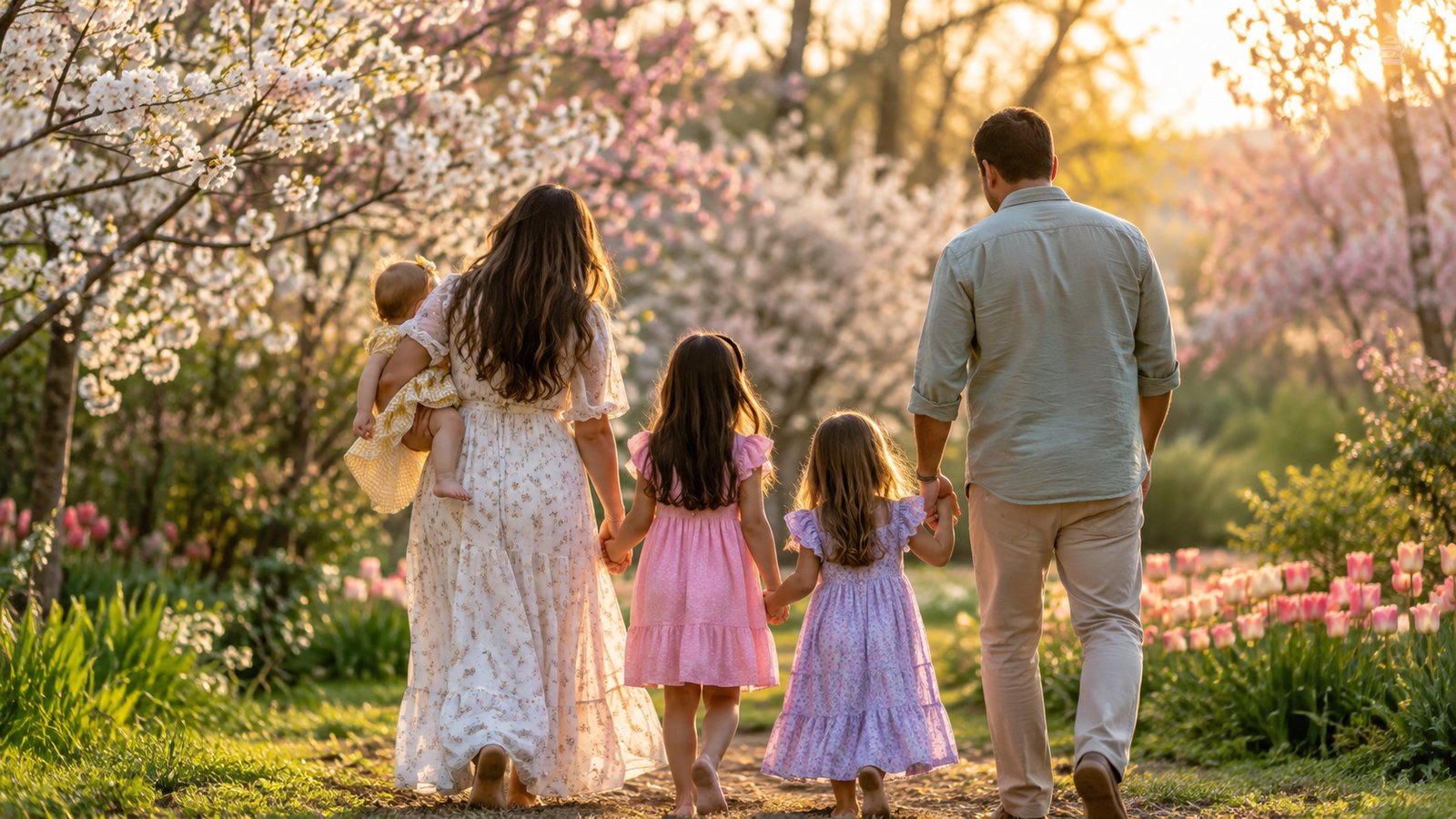
Spring days lengthen quickly, and golden hour moves later each week. In many parts of the United States, sunset lands in the early evening in March and slides toward 7 or 8 p.m. by May. That makes late afternoon and early evening sessions workable for families who have school and work.
Spring light can be soft and pretty, with overcast skies and fresh green foliage. Weather can also change in minutes, with sudden showers and gusty wind. Pick a backup date and watch the forecast.
Allergies are a real consideration. Pollen can make eyes puffy and noses red. Ask clients to bring tissues, and avoid fields in peak pollen weeks when possible.
Best windows in spring:
- Late afternoon, starting about two hours before sunset
- The hour before sunset for the most glow
- Overcast mornings for even light
Summer: Go Early or Late
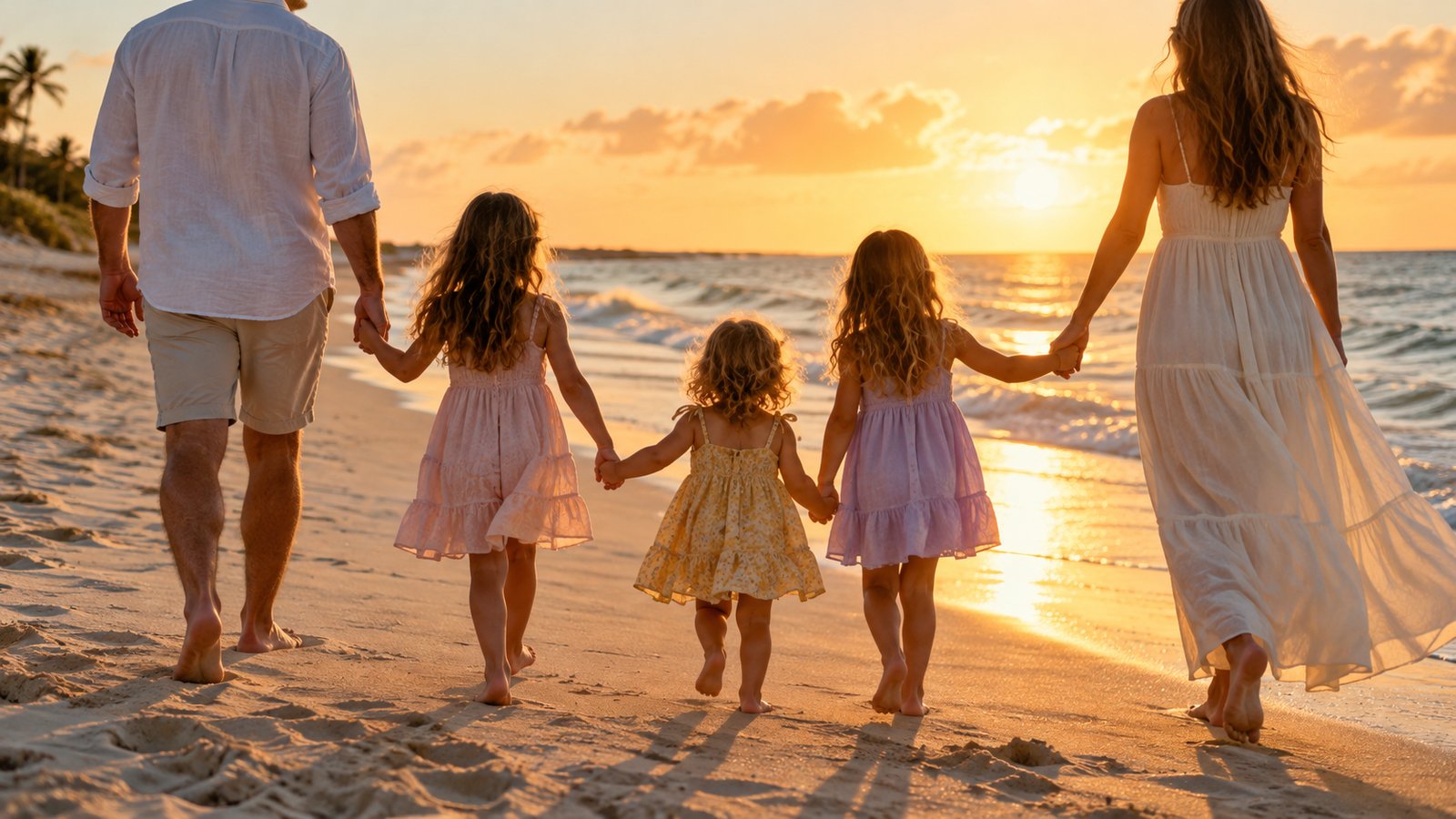
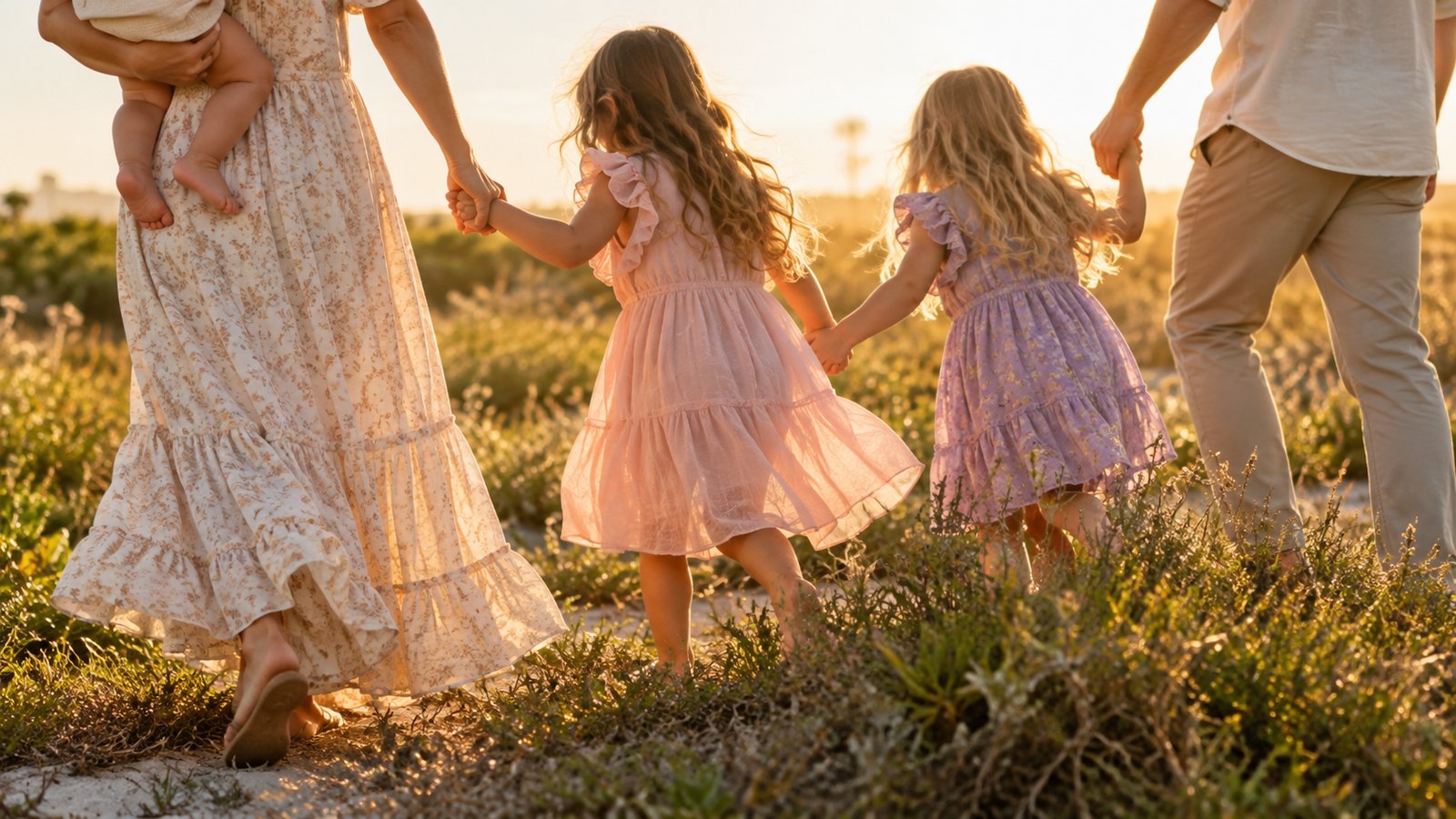
Summer is the season of long days and strong sun. Midday light is at its harshest, and heat and humidity wear out children quickly. The best sessions happen in the first hour or two after sunrise or in the final hour before sunset.
Sunset in summer can be late. At mid-latitude US locations it can fall after 8 p.m., and that is bedtime for young children. Morning sessions may suit toddlers better, since they are often at their best early in the day. Beaches and open fields need extra care. Without trees or buildings, there is little open shade, and sand reflects light into the face.
Heat safety matters. Bring water, take breaks in the shade, and shorten the session if anyone looks overheated. Light-colored clothing stays cooler and photographs well. Our guide to what to wear for family photos covers colors and fabrics.
Best windows in summer:
- The first hour after sunrise
- The final hour before sunset
- Open shade under trees or buildings at other times
Fall: The Easy Season
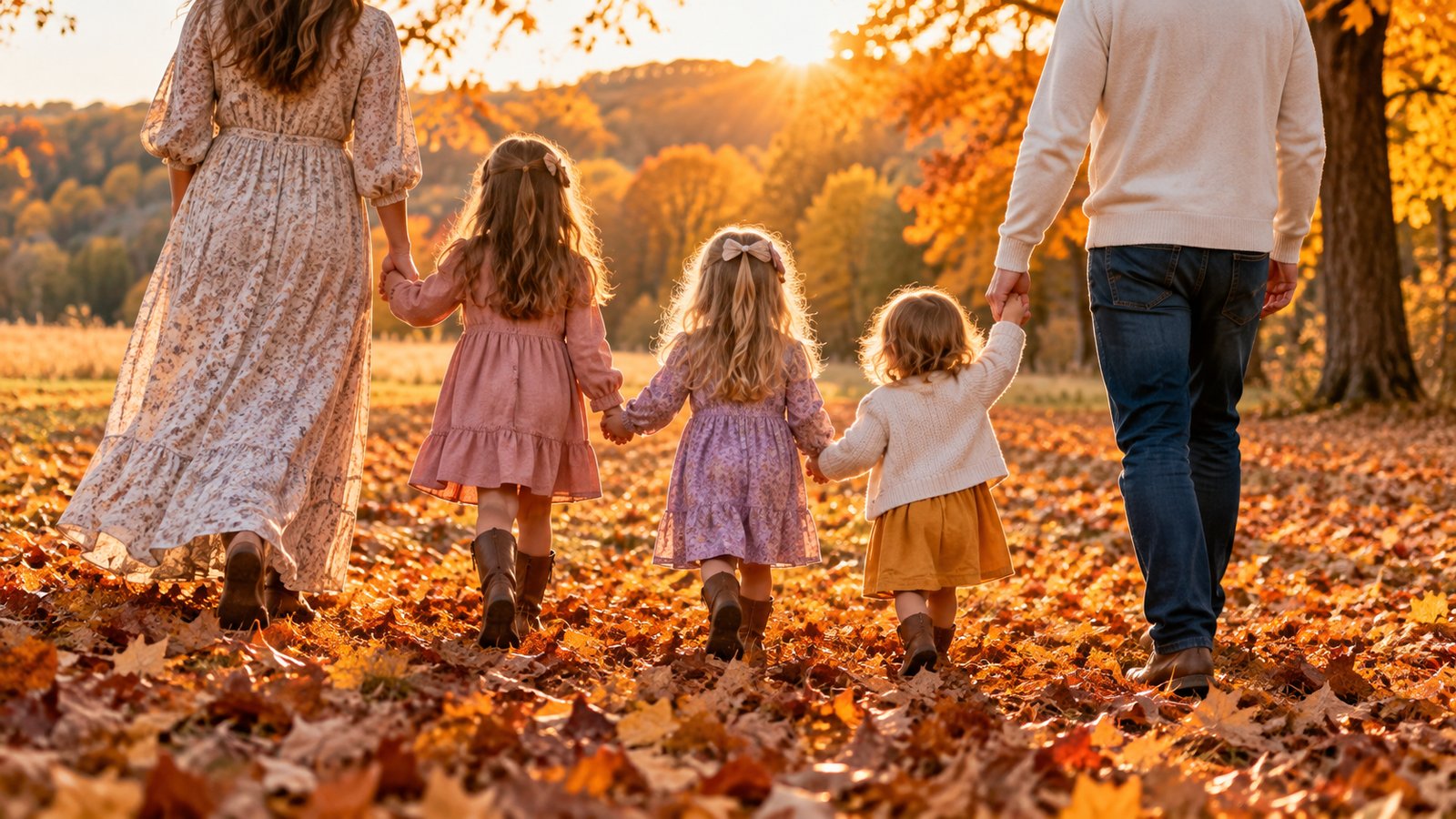
Fall is the most popular season for family photos, and the reasons are practical. The sun stays lower in the sky all day, so light is warmer and softer for more hours. Temperatures are comfortable, and foliage provides color. Sunset falls in the early evening, often between 5 and 7 p.m. depending on location and the date, so you can finish before children get tired.
Fall also brings crowds. Popular parks fill up on weekends during peak foliage, and parking and permits can be an issue. Weekday sessions, or early morning, often feel calmer. Check whether your location requires a permit for photography, since rules vary.
Colors change on different dates in different regions. Check local foliage reports, and keep your schedule flexible, since a few days make a big difference.
Best windows in fall:
- Two hours before sunset through the end of golden hour
- Mid-morning, when the light is already low and soft
- Overcast days, which make leaves look rich and saturated
Winter: Short Days, Soft Light
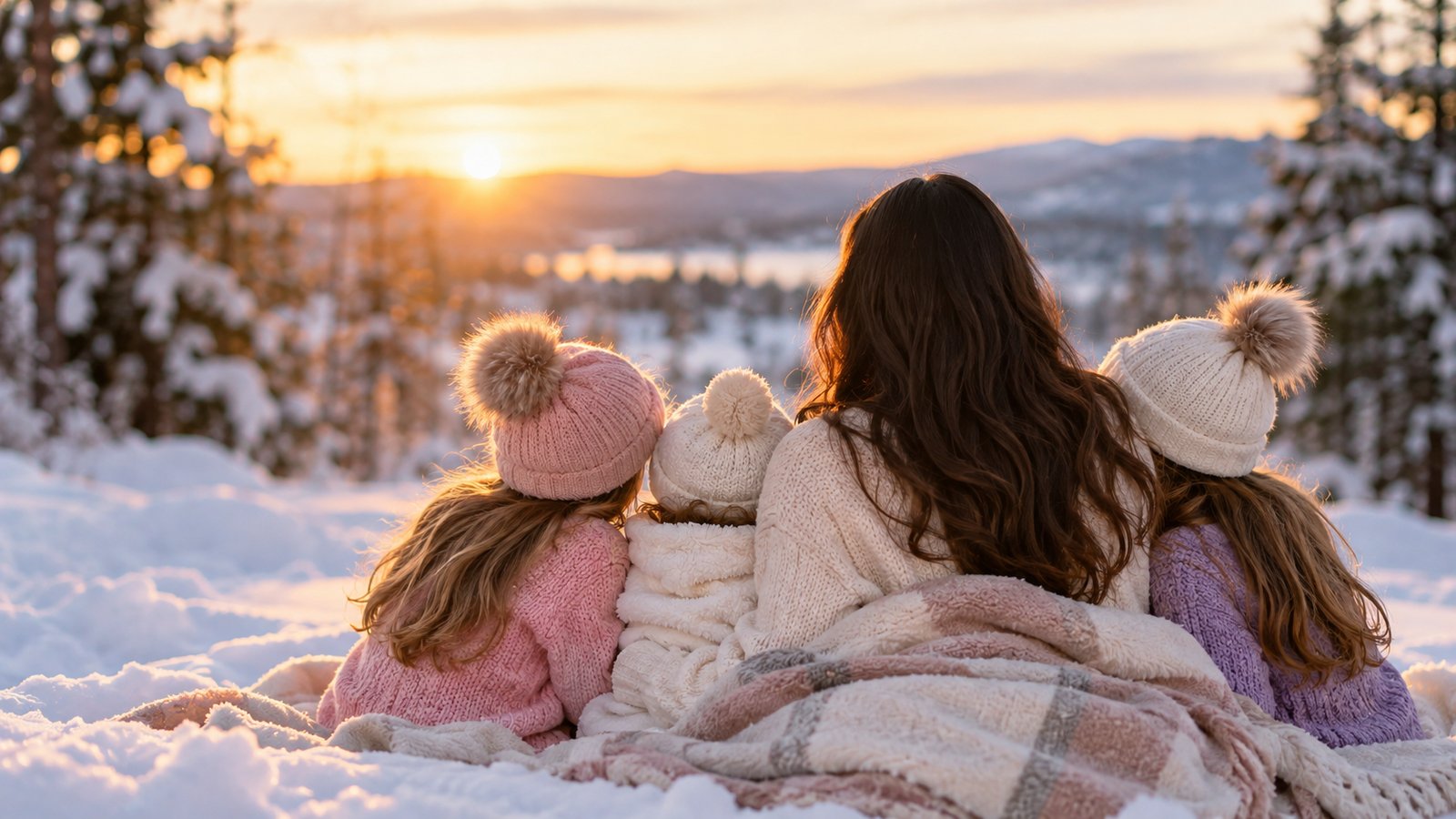
Winter days are short, and the sun stays low even at noon, which means usable light lasts longer than you might expect. At many mid-latitude US locations, sunset happens around 4:30 to 5 p.m. in December. That makes school-day sessions hard, but weekends can work well, and sessions often begin in the early afternoon.
Snow acts as a giant reflector, bouncing light into faces and making the scene bright. Exposure can be tricky, since cameras tend to underexpose snow and turn it gray. Check your histogram and adjust exposure compensation upward.
Cold is the main challenge. Children get cranky when they are chilly, so keep sessions short, bring blankets, and plan breaks in a warm car. Layers photograph well and keep everyone comfortable. Holiday sessions book out quickly, so offer dates early. For inspiration on seasonal sessions, see our article on holiday family photo ideas.
Best windows in winter:
- Early to mid-afternoon on sunny days
- The hour before sunset
- Snowy days with overcast skies, for soft, even light
Plan Around Children, Not Just the Sun
The best light does not help if a toddler is asleep, hungry or overtired. Schedule sessions around naps and meals. Many young children do best in the morning, after breakfast and before the day wears them out. Babies often have a brief alert window after a feed. Older kids can handle later times, but a long session after a full school day may be a struggle.
Keep the session short. Thirty to sixty minutes is enough for most families, and mini sessions of fifteen to twenty minutes work well for young children. Arrive early to scout the light, and have the family arrive a few minutes early so they can relax.
Bring snacks and small distractions for waiting moments, and keep patience handy. A relaxed family looks better than a perfectly lit family who is stressed. Our guide to easy family poses that look natural explains how to keep poses simple so sessions run smoothly.
Tools for Finding the Right Time
Several free tools help you plan. Sunrise and sunset tables from sources such as the National Weather Service or the U.S. Naval Observatory list exact times for your location. Many apps and websites also show the sun’s path and the golden hour window for any date and place. Use them to find when the sun clears a ridge or drops behind a building, which can change the useful window.
Visit the location at the planned time before the session, if you can. See where the shade falls, where the sun hits the background, and how the light looks on a person standing in the spot. Take a test photo and review it. An hour of scouting prevents many problems.
Check the forecast the day before. Wind, rain and smoke all change the light and the comfort of the session. Having a backup date written into your contract keeps everyone calm. Our guide on how to price photography sessions touches on how rescheduling policies fit into your fees.
Camera Settings That Match the Light
Light quality guides your settings. In soft golden hour light, a wide aperture such as f/2.8 to f/4 keeps a small family sharp and blurs a busy background, and a shutter speed of at least 1/250 second is a common starting point for moving children. In open shade, expect lower light, so raise ISO before you let the shutter slow down. Overcast days call for similar settings, with a little less contrast to manage.
Direct sun behind the family can create a glowing rim of light around hair. Expose for faces, not the sky, and consider a reflector or a lightly filled shadow side. Avoid placing family members in a line at different distances from the camera at wide apertures, since some faces will fall out of focus. Group shots usually need f/5.6 or smaller apertures to keep everyone sharp, as covered in our posing advice.
Check images on the camera screen and zoom in on eyes. A quick review catches blinking, missed focus and blown highlights while there is still time to fix them.
When the Weather Does Not Cooperate
Rain, wind and haze do not have to cancel a session. A light drizzle under a covered porch, a pavilion or a large umbrella can produce soft, moody pictures. Strong wind is harder, since it tosses hair and drives dust into eyes. Smoke from distant wildfires turns the sky orange and makes breathing unpleasant, so postpone when air quality alerts are in effect and follow local health guidance.
Ask clients to bring a few simple backup plans: an extra layer, a small towel for wet hands and a pair of boots for muddy ground. Photographers can carry clear rain covers for cameras and a spare microfiber cloth for lenses. A flexible attitude from everyone involved matters most.
Quick Seasonal Cheat Sheet
- Spring: late afternoon to sunset, with a backup date for rain
- Summer: sunrise hour or the last hour before sunset, plus shade at other times
- Fall: the two hours before sunset, with weekday or early options to avoid crowds
- Winter: early to mid-afternoon, with short sessions and warm layers
Remember that the best time also depends on your location, the landscape and the people in front of your camera. Use these windows as starting points, test the light and adjust.
Sources used for this article include sunrise and sunset data published by the U.S. Naval Observatory and the National Weather Service, and standard portrait lighting practice such as golden hour and open shade.
Frequently Asked Questions
What is the best time of day for family photos?
The hour after sunrise and the hour before sunset usually give the softest, warmest light. In bright midday sun, use open shade or shoot on an overcast day.
Is it okay to take family photos at noon?
It is the hardest time, but it can work in open shade, under a covered porch or on an overcast day. Avoid putting people in direct overhead sun.
How long should a family photo session last?
Thirty to sixty minutes suits most families, and shorter sessions of fifteen to twenty minutes work for toddlers and mini sessions.
What is the best season for family photos?
Fall is popular for color and gentle light, but every season works if you choose the right time of day and plan around weather and children’s schedules.