
Quick answer: a mini session is a short, focused portrait session, usually 15 to 30 minutes, offered on set dates with a fixed theme, location and small gallery. To run one, pick a simple setting with good light, schedule families in fixed time slots with buffer between them, set a price from your costs and time, state exactly what is included, and deliver a small gallery on a clear timeline.
Mini sessions are one of the most common ways for portrait photographers to fill a calendar. Families like them because they are short, affordable and easy to schedule around children. Photographers like them because they pack several clients into one block of good light, they are easy to promote around a season or holiday, and they give new clients a low-risk way to try your work.
They are also easy to get wrong. A mini session that is priced too low can cost more than it earns. A schedule without buffers runs late and stresses everyone. A vague promise about what clients receive leads to awkward conversations later. This guide covers how to plan, run and price mini sessions so they work for you and your clients.
The guide assumes you already have the basics of a portrait business in place. If you are still getting started, read our guide on how to start a photography business first. Everything here is general information, not legal or tax advice, and the numbers you choose should come from your own costs.

What a Mini Session Is, and Who It Suits
A mini session is a shortened portrait session with a clear, limited scope. Typical features include a set date or a small number of dates, a defined time slot of about 15 to 30 minutes, one location and one theme, a small number of edited images, and a lower price than a full session.
The format suits families with young children, whose patience is short, and clients who want a holiday card photo or a quick update without a big investment. The format also suits photographers who are building a portfolio, testing a new location, or filling a slow season. Mini sessions work as an annual event too, such as a spring blossom day or a pre-holiday set.
Mini sessions are not ideal for every client. Large extended families, newborns and clients who want many outfits or locations need more time. Treat the mini session as one product in a menu, not the whole business.
Choose a Theme and a Location
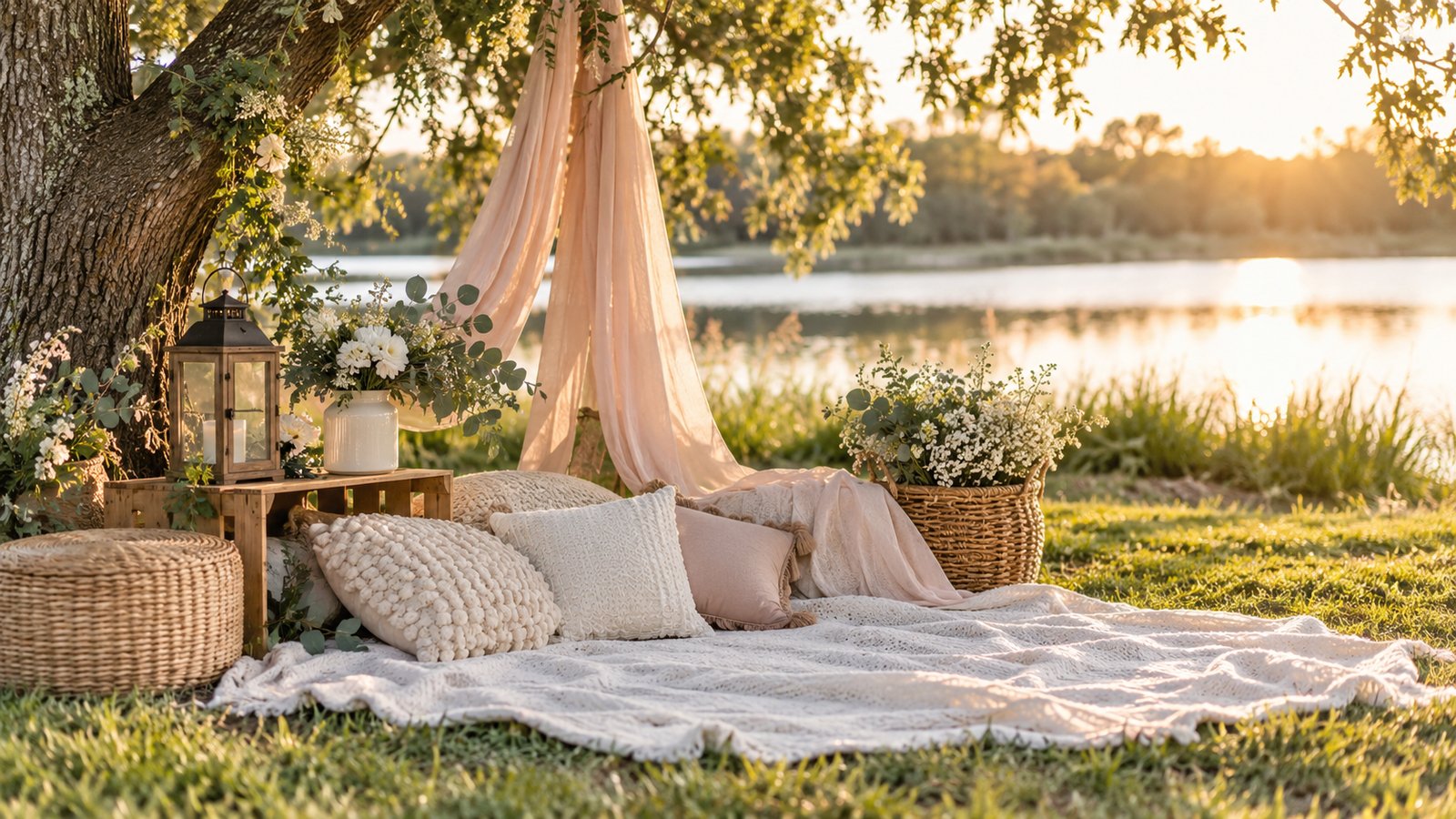
Themes make mini sessions easy to market. A theme might follow the seasons, such as spring flowers, fall leaves, a winter backdrop or a holiday set. Another option is a simple setup, such as a field at sunset or a studio backdrop. Pick something you can control and repeat for every client.
Location matters more than almost anything else. Choose a spot with:
- Soft, flattering light at the time you will shoot, including open shade for backup
- Enough space for families to stand and move, with a clean background
- Easy parking and a short walk, since children and strollers are common
- Restrooms or a nearby facility, which matter more than you think
- Permission to photograph there
Permission is the part people forget. Many parks, gardens and public spaces require a permit or a fee for commercial photography, and private property needs the owner’s consent. Check the rules well before you announce dates, and keep a copy of any permit with you on the day.
Visit the location at the planned time of day and take test photos. Note where the shade falls, where the sun hits the background, and how long the light stays usable. Our guide to natural light portrait basics explains how to read light, and the article on the best time of day for family photos can help you pick a window.
Plan the Schedule
Scheduling is where mini sessions succeed or fail. Because sessions are short, small delays add up fast.
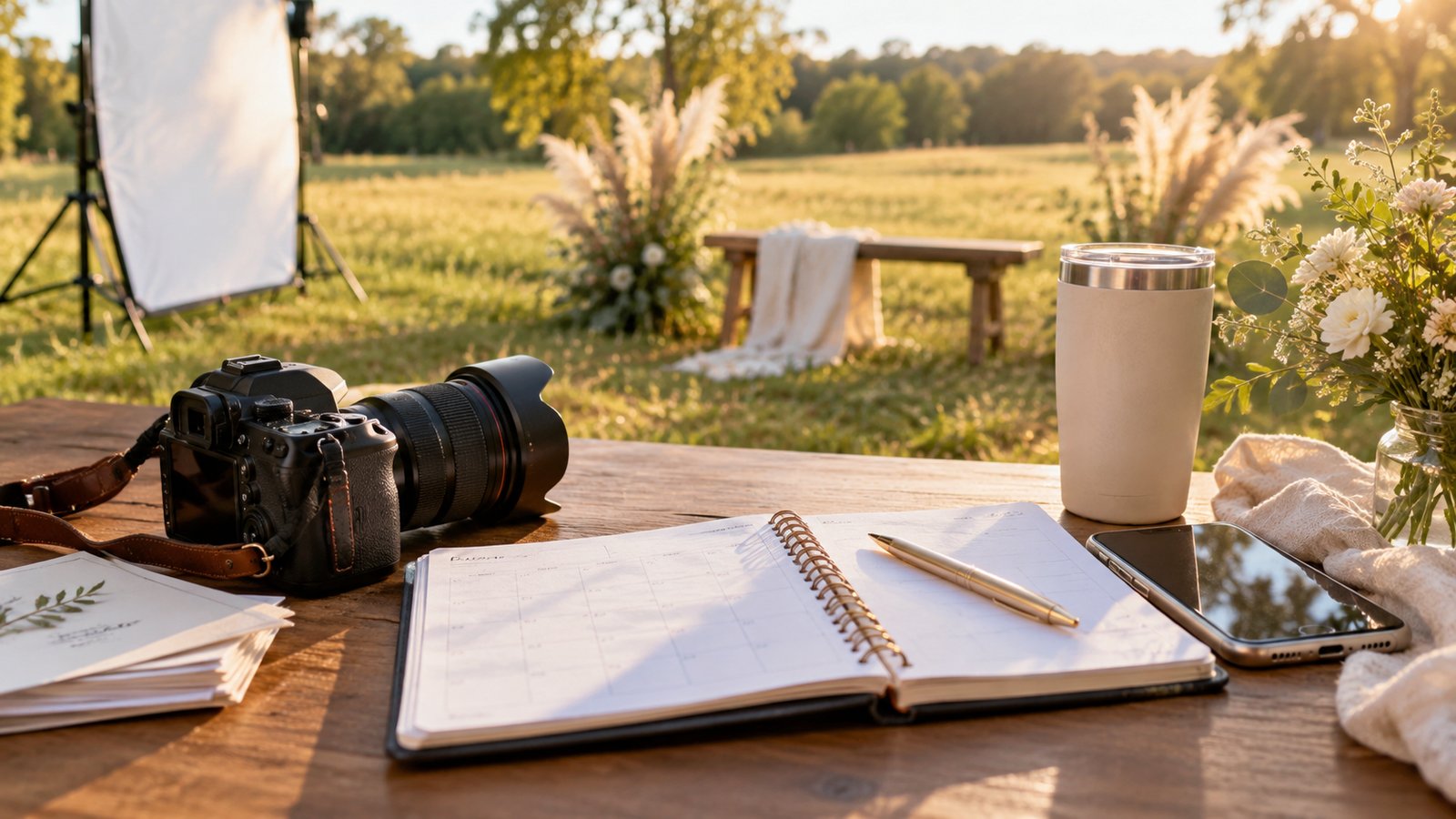
Set your slot length first. Fifteen minutes is enough for a simple pose set with one family. Thirty minutes gives room for a couple of setups and a few candid shots. Add a buffer of five to ten minutes between slots for late arrivals, a quick review and resetting props.
Plan the full block. For example, four to six slots in a row fit inside one window of good light. Avoid scheduling too many back to back, since you will tire and the light will change. Many photographers pick two short blocks, such as the morning and the late afternoon, and give a different set of clients each slot.
Build in a rain plan. State whether you will reschedule, move indoors, or offer a refund if weather cancels the day. List a backup date in your announcement. Clear communication prevents disappointment.
Ask clients to arrive on time but not early, so waiting families do not crowd each other. Send reminder emails with the time, address, parking instructions and what to wear. Our article on what to wear for family photos makes a handy link to include.
Price Mini Sessions From Your Costs
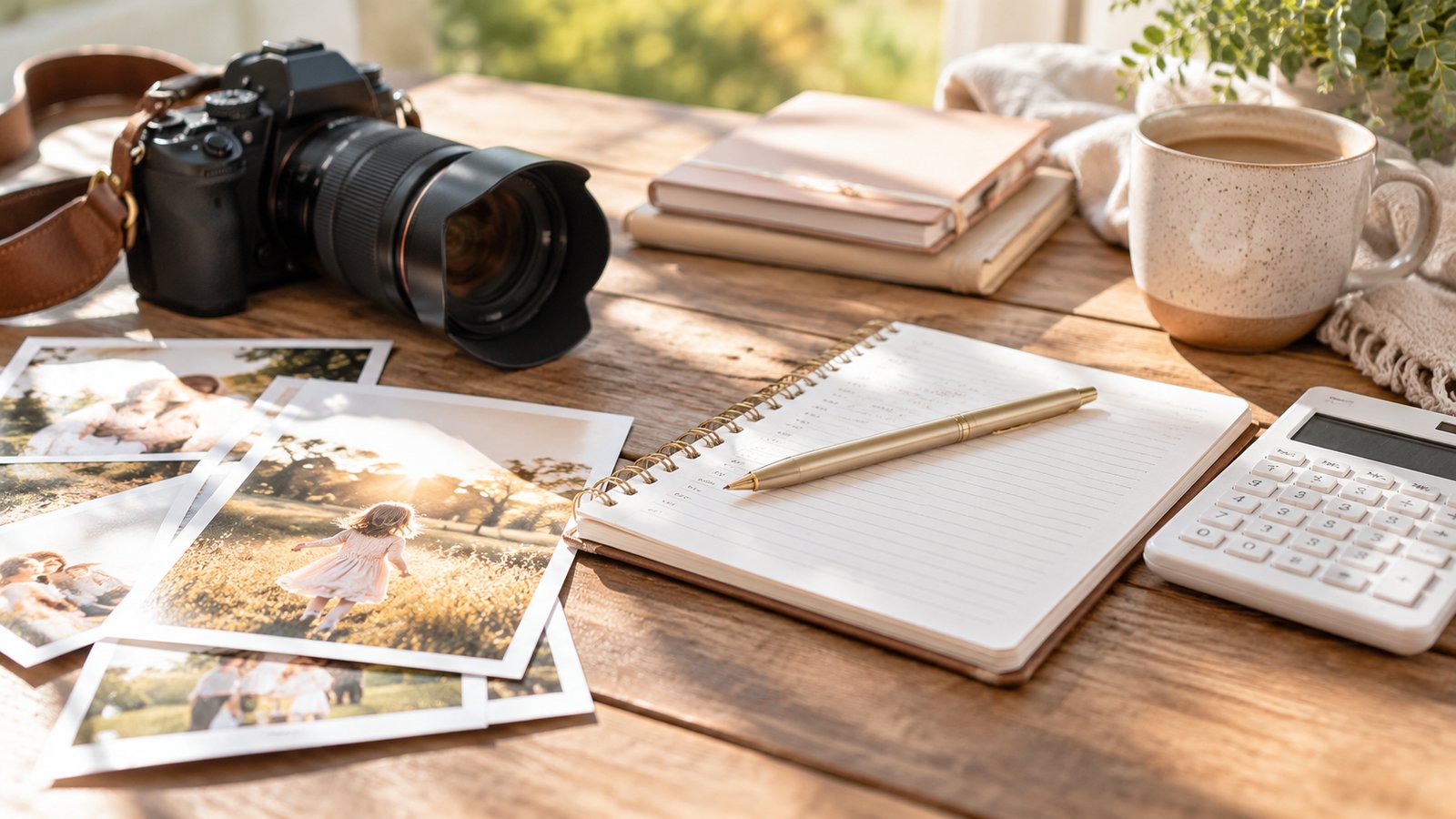
Prices should come from math, not guesswork. Our guide on how to price photography sessions walks through the full approach, and the same idea applies here.
List what each mini session costs you:
- Your time for the shoot, including setup, travel and buffers
- Editing time per gallery
- Communication, booking and delivery time
- Permits, props, backdrops and location fees
- Software, gallery hosting and equipment wear
- Insurance, taxes and business expenses
Divide your total costs and desired profit by the number of sessions you expect to book. That gives a minimum price. If the number feels too high for a short session, reduce what is included, such as the number of images, or increase the number of slots.
Be careful with the discount trap. A mini session priced far below your regular sessions can attract clients who only want deals, and it can make full-price clients wonder why they pay more. Offer something that makes the mini session clearly different: shorter time, one location, a limited gallery and set dates.
Decide how to handle extras. Some photographers sell additional images, prints or products after the session. State the add-on prices in your announcement, so clients know before they book. Prints are worth offering, since many families value a physical photo.
Require payment to book. A full payment or a deposit holds the slot and reduces no-shows. Spell out your refund and rescheduling rules in a short contract, as covered in our guide to photography contracts.

Promote and Book Without the Chaos
Announce the sessions three to six weeks ahead. Use your website, email list and social media, and show a few sample images of the theme. Explain who the sessions are for, what is included, and how to book.
A simple online booking tool or form lets clients pick a slot, pay and sign the agreement. Limit the number of slots so you do not overbook, and mark each slot as taken when it is filled. Keep a short waitlist for cancellations.
Be honest in your announcements. Use your own sample images and describe the session as it will really run. Avoid promising a specific number of images unless you can deliver it, and do not use stock photos that misrepresent your work.
Send a confirmation email that restates the key details: date, time, location, parking, what to wear, weather plan, delivery timeline and contact information. A well-prepared client is relaxed on the day.
Run the Day Smoothly
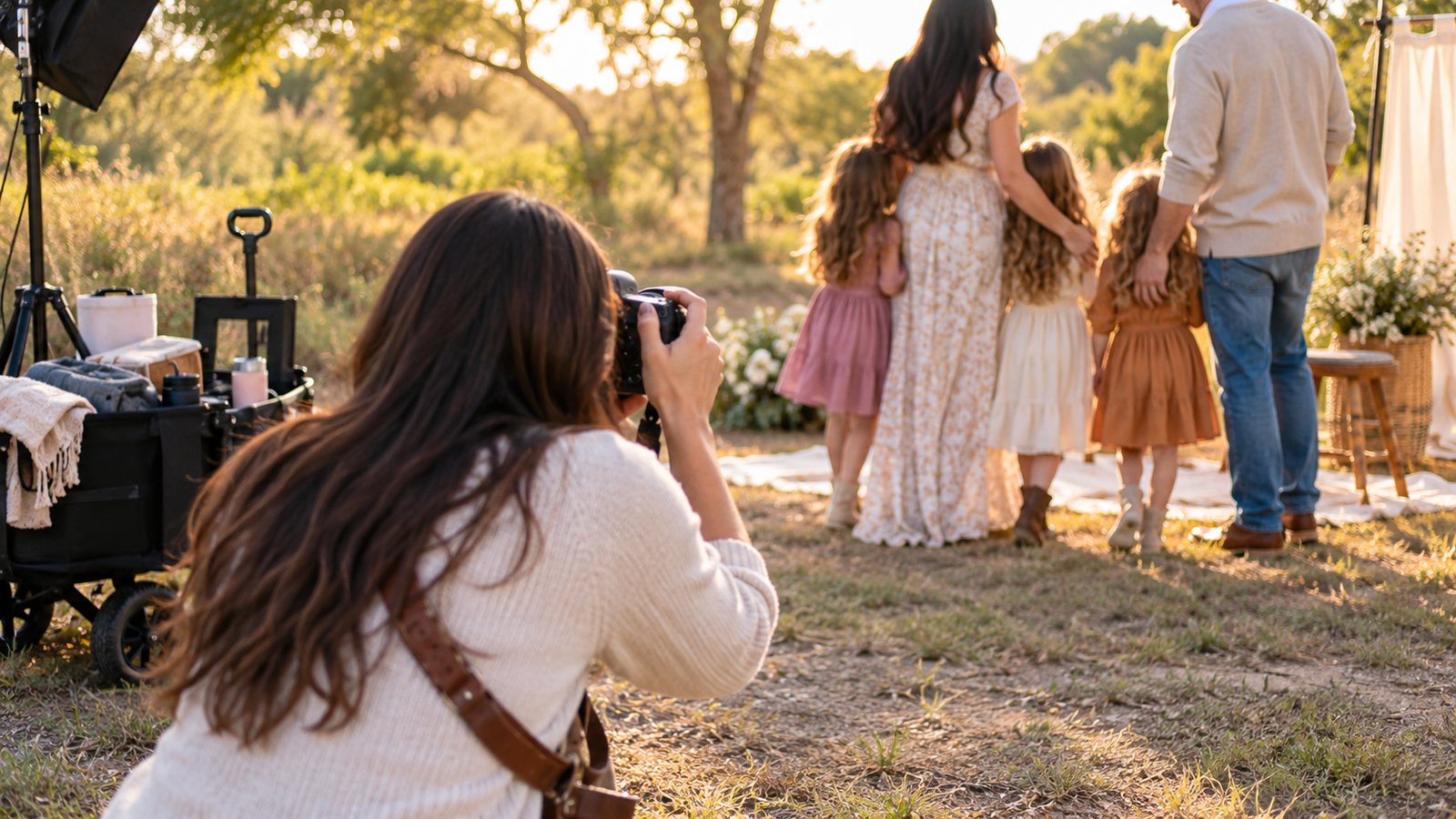
Arrive early. Set up any backdrop or props, and test your settings and light. Have a checklist and keep it close: batteries, memory cards, a spare lens cloth, wipes, water and a few small toys or bubbles to catch a toddler’s attention.
Greet each family warmly, and take a moment to explain how the time will go. Start with a simple, easy pose, such as everyone close together, then add movement and candid moments. Keep directions short and positive. Children respond to games better than commands, and parents relax when they see you in control. Our guide to easy family poses that look natural offers a handy toolkit.
Take plenty of frames in each setup, because blinks and turned heads are common. Check the back of the camera occasionally for focus and exposure, and move on once you have what you need. Respect the clock, wrap up on time, and thank everyone.
Watch safety and comfort. Keep children away from water, roads and uneven ground. Take breaks for tired kids if time allows, and never push a child who is truly upset. A calm session produces better pictures than a forced one.
Deliver, Follow Up and Learn
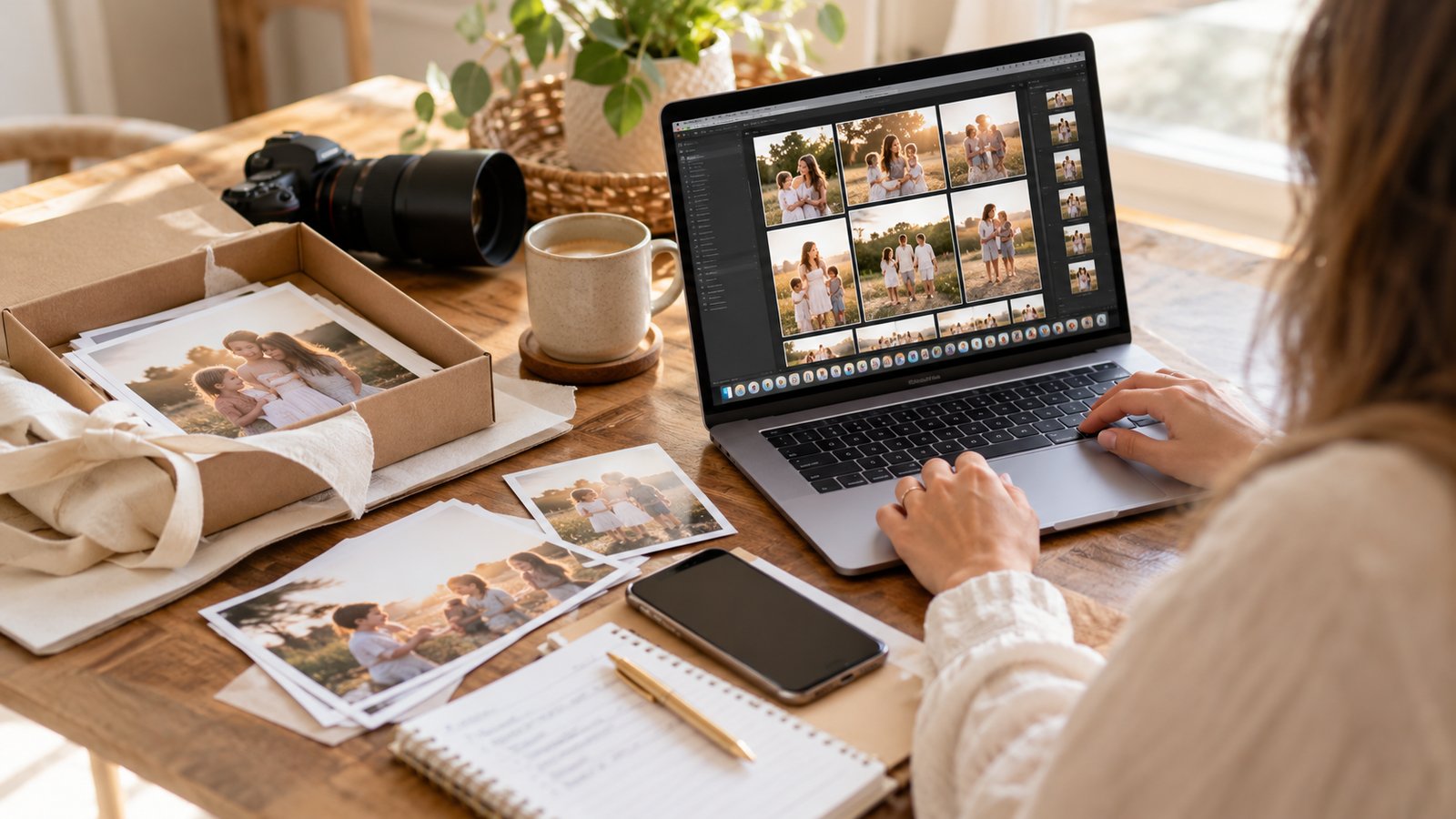
Deliver on the date you promised. A small, curated gallery within a set number of weeks is a typical format, and a short email with a link to the gallery is enough. Include instructions for downloading and a note about print options.
Ask for feedback and reviews after delivery, and respect clients’ privacy about their children’s photos. If you want to share images publicly, get written permission first.
After the event, review what worked. Count the bookings, compare your time spent to your income, and note which slots filled first. Check whether the location, theme and price were right. Use that information to improve the next series. Many photographers repeat successful themes each season.
Keep records of income and expenses for tax time, and talk to a qualified tax professional about how to report them.
Ideas for Mini Session Themes
Themes work best when they are simple and repeatable. Spring blossoms, a sunflower field in late summer, fall leaves, a winter lights backdrop and a classic holiday card setup are common choices. A studio-style backdrop hung in a garage or on a porch also works, since it gives you control over light and weather. Use only real locations and setups you can deliver, and match the theme to your skills, not to a trend you have not practiced.
Seasonal sessions line up with natural deadlines, such as holiday card orders, so mention the date by which clients need images in time. Our article on holiday family photo inspiration offers ideas for seasonal photos that fit that timing.
Common Mini Session Mistakes
Overbooking is the classic error. Eight families in a row sounds profitable until the light fades, a toddler melts down and everyone waits. Start with four or five slots and add more only after you have run a smooth day.
Underpricing is next. Mini sessions look inexpensive, but your costs do not shrink in proportion to the time. Editing a gallery takes the same effort whether the shoot lasted twenty minutes or an hour. Track your actual hours on the first event, and adjust.
Unclear inclusions cause friction. Say what a client receives, how many images, when they arrive and whether prints cost extra. Another mistake is a location that looks beautiful and photographs badly, with harsh light, crowds or a distracting background. Test before you commit.
Finally, avoid skipping the written agreement because the session is short. A simple contract protects both of you and takes minutes to complete.
A Short Mini Session Checklist
- Theme, location and permission confirmed
- Slots, buffers and a backup date set
- Price based on your real costs, with inclusions listed
- Contract, payment and booking form ready
- Reminder emails with directions and wardrobe tips
- Equipment, props and a spare battery packed
- Delivery date and gallery plan decided
Sources worth checking include your local parks department or property owner for photography permits, and your state’s small business and tax resources for guidance on sales tax and income reporting.
Frequently Asked Questions
How long should a mini session be?
Most last 15 to 30 minutes, with a five to ten minute buffer between families. Shorter works for toddlers, and thirty minutes allows a couple of setups.
How many photos come with a mini session?
Counts vary by photographer, so decide a clear number or range and state it in your announcement. Many offer a small gallery of edited images.
How do I price a mini session?
Add up your time, editing, location, permit and business costs, add a profit margin, and divide by the number of sessions you expect to book. Compare the result with your regular sessions.
Do I need a permit for mini sessions in a park?
Many parks and public spaces require permits for commercial photography, so check with the managing agency before you announce dates.